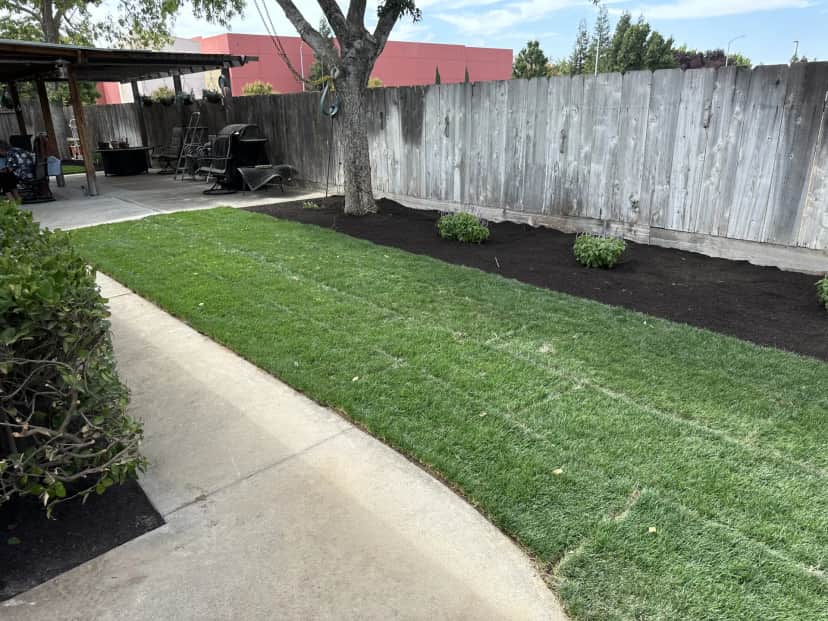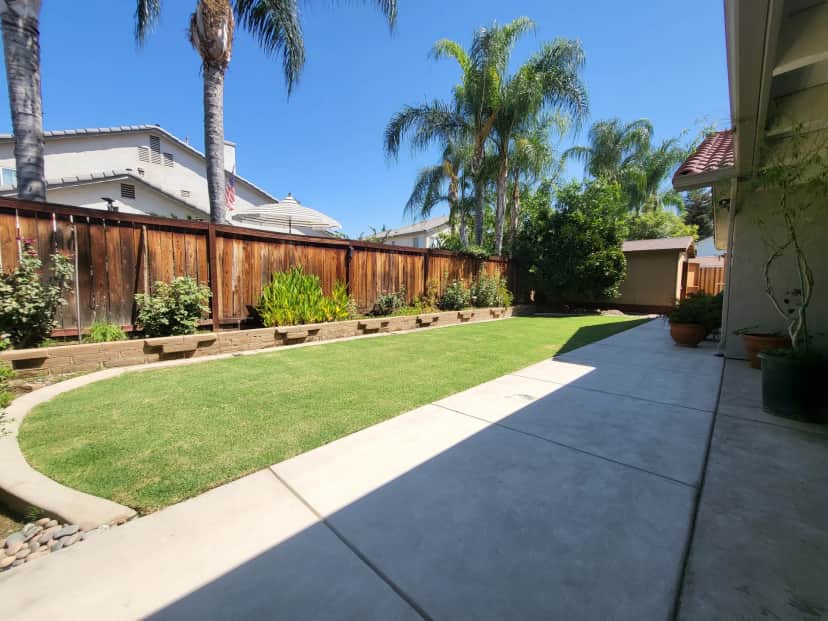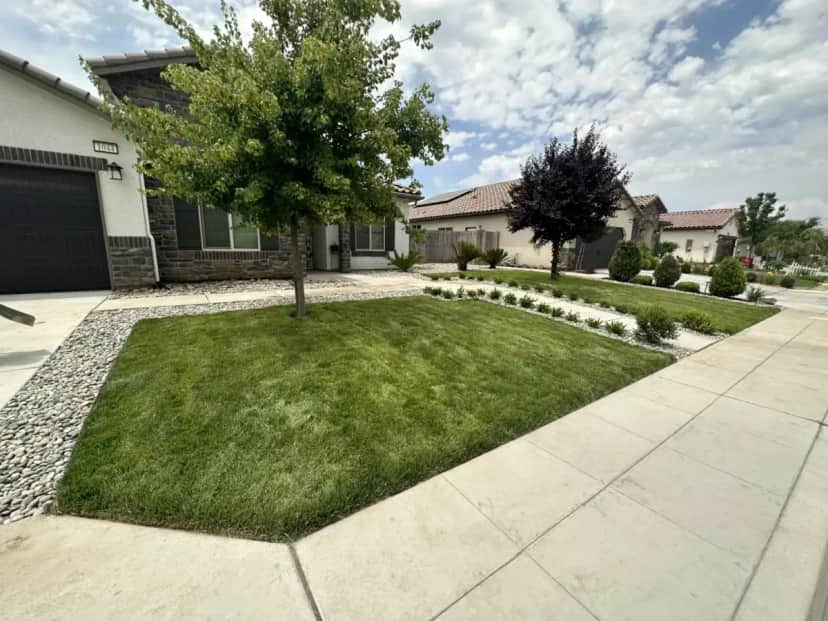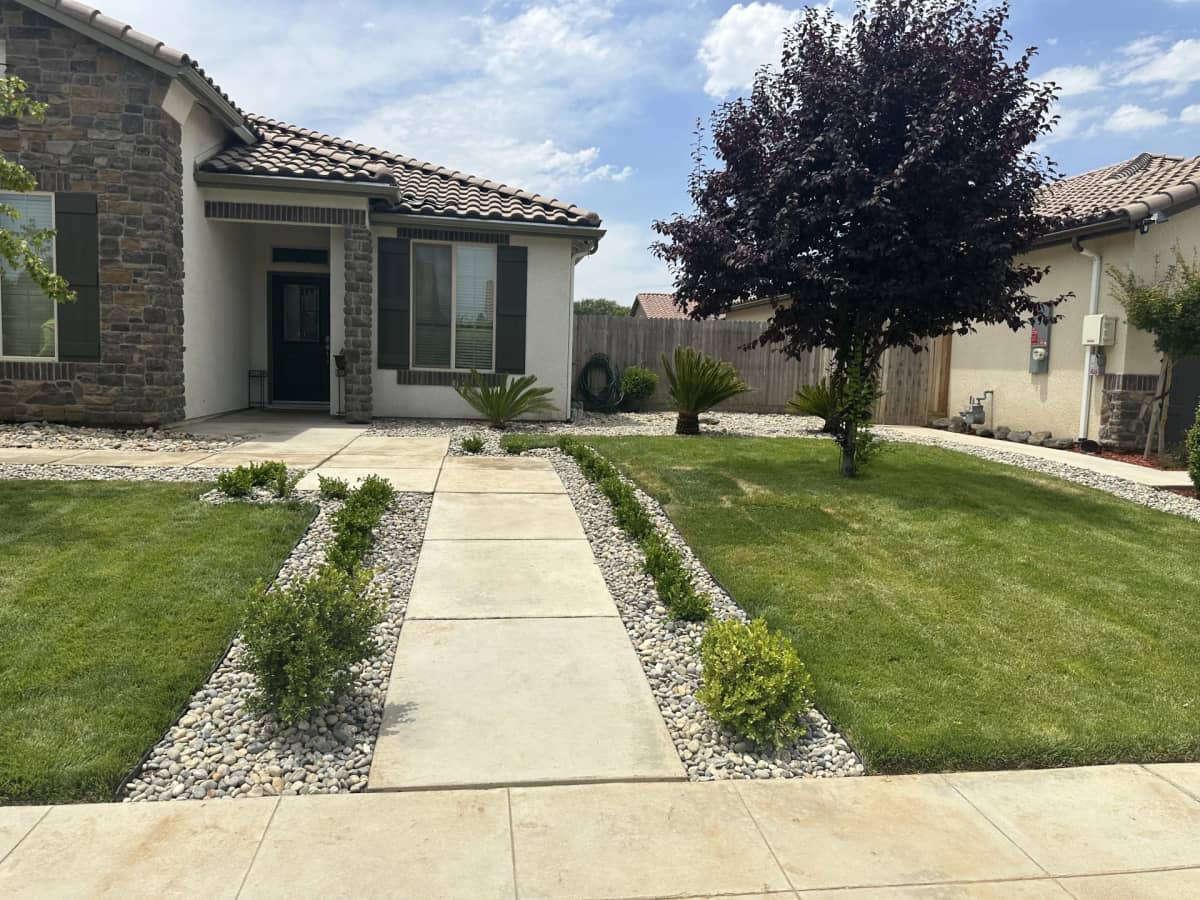
The most common lawn care mistakes in Fresno are watering too often and too shallow, mowing too short, ignoring iron chlorosis, and fertilizing during peak summer heat. These mistakes are not random --- they happen because Central Valley conditions are different from what most general lawn care advice assumes. Here are the 7 biggest mistakes we see across Fresno, Kerman, and Clovis, and exactly how to fix each one.
Mistake #1: Watering Too Often and Too Shallow
The Mistake
Running your sprinklers every allowed watering day for short durations --- 5 to 10 minutes per station --- and thinking you are giving your lawn enough water. Many homeowners water three times per week for 10 minutes and wonder why their grass is stressed.
Why It Happens
It feels logical: water more often, grass stays wet, grass stays healthy. Some homeowners also set their timers once and never adjust them, running the same schedule in April as in August.
The Fix
Water deep and infrequent rather than shallow and frequent. Your goal is to get water 4--6 inches into the soil to encourage deep root growth. Deep roots make grass more drought-tolerant and heat-resistant --- exactly what you need in the Central Valley.
How to do it right:
- Run each sprinkler station for 15 minutes (the maximum allowed in most Fresno-area cities)
- On your assigned watering days, run your system through two cycles with a 30--60 minute soak-in break between them. This allows water to penetrate clay soil instead of running off.
- Water before 7 AM. Morning watering loses less to evaporation and gives grass time to dry before evening, reducing fungal disease risk.
- Check penetration by pushing a screwdriver into the soil 30 minutes after watering. If it slides in easily to 4--6 inches, you are watering deep enough.
Fresno's 3-day watering schedule with 15-minute station limits is enough for Bermuda grass when applied correctly. Fescue may need the maximum allowed watering on all three days during July and August.
Mistake #2: Mowing Too Short (Scalping)
The Mistake
Cutting your grass as short as possible so you do not have to mow as frequently. We see homeowners scalp their lawns down to half an inch or less, especially in summer when grass grows fast.
Why It Happens
The logic seems sound: shorter grass means slower regrowth and less mowing. Some homeowners also believe short grass looks neater or cleaner.
The Fix
Mow at the correct height for your grass type, and never remove more than one-third of the blade length in a single mowing.
Correct mowing heights for Central Valley grasses:
- Common Bermuda: 1.5--2 inches
- Hybrid Bermuda (Tifway 419): 0.75--1.5 inches
- Tall Fescue: 3--4 inches (raise to 4 inches in summer)
- St. Augustine: 2.5--4 inches
Why height matters: Taller grass blades shade the soil, reducing moisture evaporation and keeping root-zone temperatures lower. In Fresno's 100--110 degree summers, exposed soil can reach 140 degrees --- that literally cooks grass roots. Taller grass also develops deeper root systems and crowds out weeds.
Summer tip: Raise your mowing height by half an inch from June through September. This extra height helps grass survive sustained heat stress.
Keep your blades sharp. Dull mower blades tear grass instead of cutting it cleanly, creating ragged tips that turn brown and invite disease. Sharpen your blades every 20--25 hours of mowing, or roughly once per month during the growing season.
Mistake #3: Ignoring Iron Chlorosis
The Mistake
Seeing yellow grass and responding with more water, more nitrogen fertilizer, or both. This is the single most common misdiagnosis we encounter in Central Valley lawns.
Why It Happens
In most parts of the country, yellow grass means either insufficient water or nitrogen deficiency. Fresno homeowners follow general lawn care advice from national sources and treat accordingly. The problem is that generic advice does not account for our unique soil chemistry.
The Fix
Diagnose iron chlorosis correctly. If your grass blades are yellow or lime-green but the veins remain darker green, that is iron chlorosis --- not a water or nitrogen problem. It is caused by Fresno's alkaline soil (pH 8.0+), which locks iron into an insoluble form that grass roots cannot absorb.
How to treat it:
- Apply chelated iron --- specifically EDDHA chelated iron, which is the only formulation that remains available to plants at pH 8.0 and above. Standard iron sulfate and EDTA chelated iron become ineffective above pH 7.5.
- Apply in spring (March--April) and fall (September--October) for prevention, or anytime symptoms appear.
- Follow the label rate. More is not better --- excess iron can burn grass.
- Water it in immediately after application.
What NOT to do:
- Do not add more nitrogen. Excess nitrogen actually increases iron demand, making chlorosis worse.
- Do not add more water. Iron chlorosis is a soil chemistry issue, not a watering issue.
- Do not buy cheap iron supplements from big-box stores. Most are iron sulfate or EDTA chelate, which do not work in alkaline soil.
For a complete guide, read our iron chlorosis treatment post.
Mistake #4: Fertilizing in Peak Summer Heat
The Mistake
Applying fertilizer (especially high-nitrogen fertilizer) in July and August, when Fresno temperatures are routinely 100--110 degrees.
Why It Happens
Grass is growing fast in summer, so it seems like the right time to feed it. Fertilizer bags often recommend "apply during the growing season," and summer is peak growing season in the Central Valley.
The Fix
Fertilize in spring and fall, not mid-summer. The ideal Central Valley fertilizer schedule is:
| When | What | Why |
|---|---|---|
| March--April | Balanced fertilizer (16-16-16 or similar) + chelated iron | Spring green-up and growth after winter dormancy |
| May | Light nitrogen application | Supports early summer growth before extreme heat |
| June--August | Iron supplement only (no nitrogen) | Grass is in survival mode; nitrogen forces growth the plant cannot sustain |
| September--October | Balanced fertilizer + iron | Fall recovery and root strengthening before winter |
| November | Potassium-heavy fertilizer (winterizer) | Prepares roots for cold and dormancy |
Why summer fertilizing is harmful: High nitrogen in extreme heat forces the grass to push top growth at the expense of root development. The plant is already stressed by heat, and adding nitrogen is like making someone sprint during a heatwave. The result is often burned grass, shallow roots, and increased vulnerability to disease.
The one exception: Chelated iron can and should be applied in summer if chlorosis symptoms appear. Iron does not force growth the way nitrogen does.
Mistake #5: Neglecting Sprinkler Maintenance
The Mistake
Setting the sprinkler timer once and never checking the system again. Broken heads, clogged nozzles, and misaligned sprinklers go unnoticed for weeks or months.
Why It Happens
Sprinklers are underground and out of sight. The timer is in the garage. Unless something is obviously broken or you see a geyser in the yard, it is easy to assume everything is working.
The Fix
Run a sprinkler audit every 2--3 months during the growing season:
- Turn on each station manually and walk the yard while it runs.
- Look for: Broken or tilted heads, heads blocked by grass or mulch, misting (too much pressure), dry spots between heads, and runoff onto sidewalks or driveways.
- Check coverage overlap. Sprinkler heads should have head-to-head coverage --- each head throws water far enough to reach the next head. Gaps in coverage create brown spots.
- Clear obstructions. Grass and soil naturally grow over sprinkler heads. Dig around heads to ensure they pop up fully and spray unobstructed.
- Check your timer. Confirm watering days match your city's schedule, start times are before 7 AM, and run times are appropriate for the season.
In Fresno's climate, a single broken sprinkler head can waste 200+ gallons per month while creating a dry spot that turns brown. With our 3-day watering schedule, there is zero margin for wasted water.
If your system needs professional attention, our sprinkler repair service covers everything from head replacement to full system audits.
Mistake #6: Planting the Wrong Grass Type
The Mistake
Planting fescue in a full-sun backyard because you want year-round green, or trying to grow Bermuda under a dense shade canopy.
Why It Happens
Homeowners choose grass based on appearance preference rather than growing conditions. Fescue looks green year-round and has a soft, lush appearance. Bermuda handles everything else better. It is natural to want the best-looking option, but ignoring sun exposure and water requirements leads to a struggling lawn.
The Fix
Match your grass to your conditions, not your preferences:
- Full sun (8+ hours direct sunlight): Bermuda is the only practical choice in the Central Valley. Fescue will survive but will need significantly more water and will thin out in the hottest months.
- Partial shade (4--6 hours direct sunlight): Tall fescue performs well here. Bermuda will struggle and thin.
- Deep shade (less than 4 hours direct sunlight): Neither Bermuda nor fescue will thrive. Consider shade-tolerant ground cover, mulch, or drought-tolerant plantings instead of fighting to grow grass where it does not want to grow.
- Mixed sun and shade: Use Bermuda in sunny zones and fescue in shaded zones, separated by clear edging. Do not try to grow them together in the same area.
For a detailed comparison of every grass option, read our best grass types for Fresno guide and our Bermuda vs. Fescue comparison.
Mistake #7: Skipping Soil Preparation
The Mistake
Planting grass, trees, or shrubs directly into native Central Valley soil without any preparation. Then wondering why plants underperform year after year.
Why It Happens
The soil looks like dirt, and plants grow in dirt, so what is the problem? Many homeowners --- especially in newer Kerman subdivisions where the yard is bare dirt from construction --- skip soil prep to save time and money.
The Fix
Understand what you are working with. Central Valley soil is typically alkaline clay with a pH of 8.0--8.5. This means:
- Compaction: Clay soil compacts easily, restricting root growth and reducing water infiltration. Water sits on the surface and runs off instead of soaking in.
- Poor drainage: Heavy clay holds water at the surface but does not allow it to reach roots deep below.
- Nutrient lockout: Alkaline pH makes iron, manganese, and zinc unavailable to plants, even if those nutrients are present in the soil.
What to do about it:
Aerate annually. Core aeration (pulling small plugs of soil) breaks up compaction and allows water, air, and nutrients to reach the root zone. Best done in spring (March--April) for Bermuda or fall (September--October) for fescue.
Improve the soil when planting. Before laying sod or planting, work 2--3 inches of quality compost into the top 4--6 inches of soil. This improves drainage, reduces pH slightly, and adds organic matter.
Apply gypsum. Gypsum (calcium sulfate) helps break up clay soil without changing pH significantly. Apply 40--50 pounds per 1,000 square feet annually. It is not a one-time fix --- clay soil remediation is an ongoing process.
Top-dress with compost. Apply a thin layer (quarter-inch to half-inch) of compost over existing lawns once or twice per year. This gradually improves soil structure and microbial activity.
Supplement with iron. As discussed in Mistake #3, chelated iron (EDDHA) is essential for preventing yellowing in our high-pH soil.
For new construction sites in Kerman where the soil is often heavily compacted from construction equipment, soil prep is not optional --- it is the most important step in establishing a healthy yard. See our new home landscaping guide for a complete walkthrough.
How to Tell If Your Lawn Needs Professional Help
If you are dealing with multiple issues from this list --- yellow patches, thin spots, persistent weeds, struggling grass despite your best efforts --- it may be time to bring in professional help. A local lawn care company with Central Valley experience can diagnose the root cause (often a combination of soil, irrigation, and maintenance issues) and create a targeted recovery plan.
The cost of professional lawn care in Fresno typically runs $130--$290 per month for regular maintenance. For a complete pricing breakdown, read our lawn care cost guide.
Get Your Lawn Back on Track
Whether you need help diagnosing a problem, fixing your irrigation, or starting fresh with new sod, we are here to help. We provide free on-site assessments for homeowners across Kerman, Fresno, and Clovis.
Request a free estimate or call (559) 809-1230. We will walk your yard, identify the issues, and give you a clear plan to fix them.