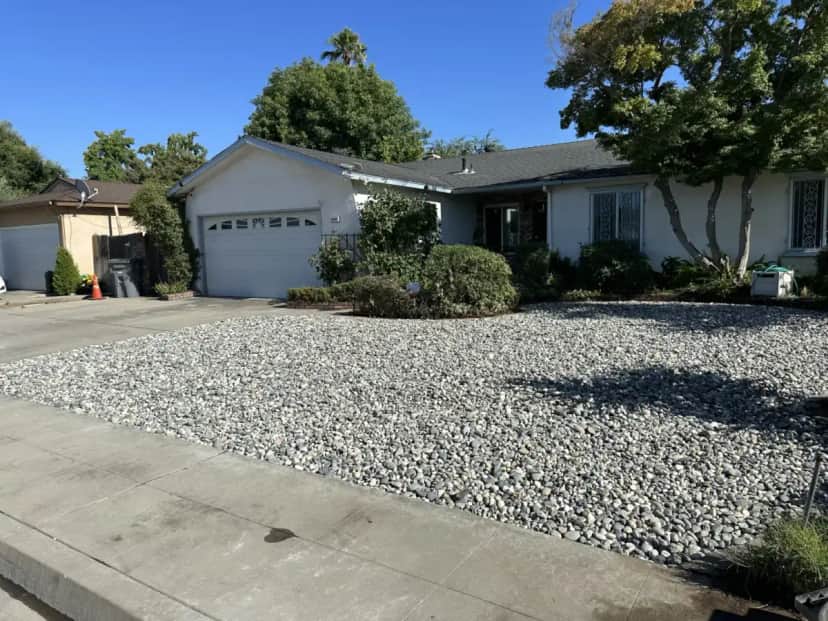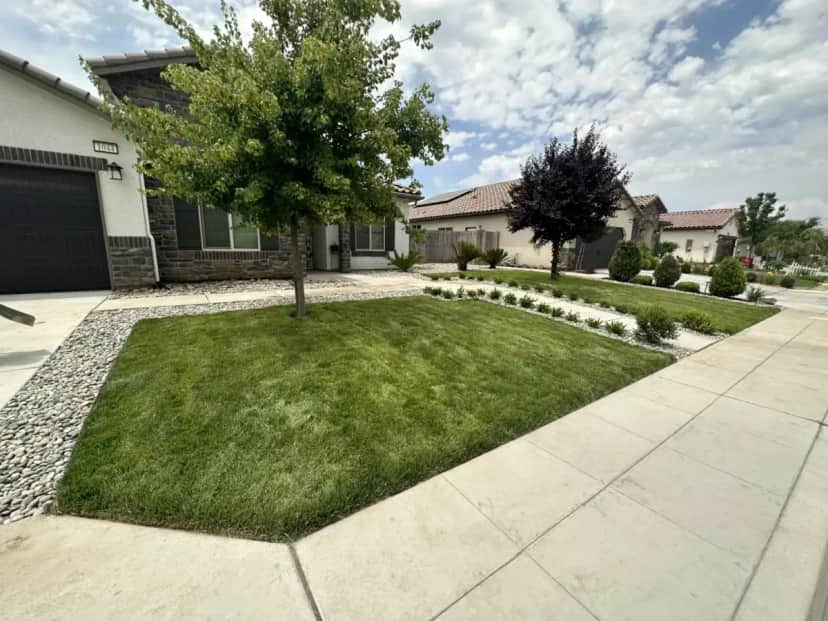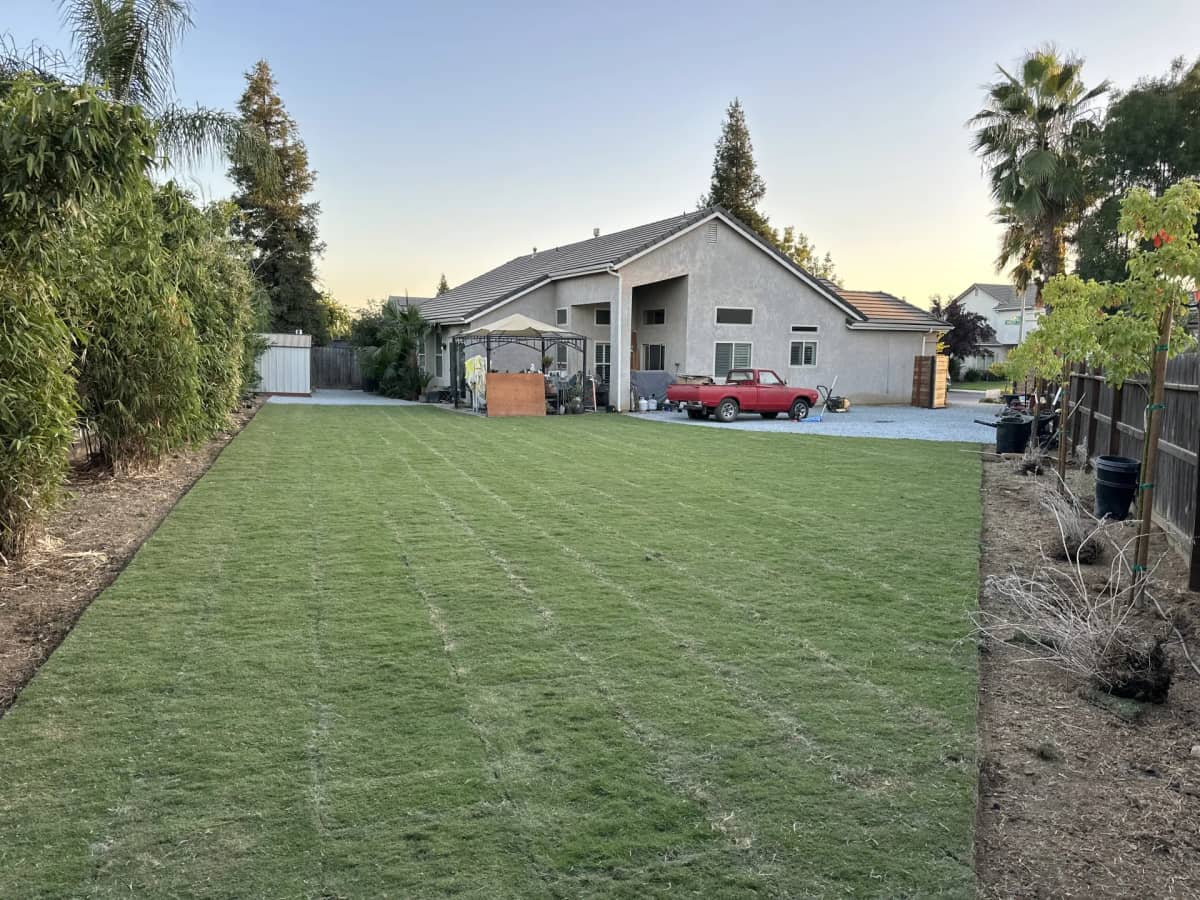
The best time to plant sod in Fresno is March through May or September through October. These windows give new sod the moderate temperatures and active growth conditions it needs to root before facing extreme heat or winter dormancy. Here's a season-by-season breakdown of what to expect, plus everything you need to know about preparing your yard and caring for new sod in the Central Valley.
Season-by-Season Sod Timing
Spring (March–May): Best Overall Window
Spring is the ideal time to install Bermuda sod in Fresno, Kerman, and Clovis. Here's why:
- Soil is warming. Bermuda grass enters active growth when soil temperatures reach 65°F, which happens in March across the Central Valley. New sod laid on warming soil sends roots down aggressively.
- Moderate watering needs. Temperatures in the 70s and 80s mean new sod needs less water than summer installations. You can establish roots before the 100°F+ heat arrives.
- Long growing season ahead. Sod installed in March has 6+ months of active growth before winter dormancy. That's plenty of time to develop a deep, mature root system.
- Establishment time: New sod roots into the soil in 2–3 weeks under spring conditions. You can expect light foot traffic at 3 weeks and full use at 6 weeks.
The sweet spot: Mid-March through mid-April. Early enough that the sod has time to root before summer, late enough that soil temperatures consistently support Bermuda growth.
Pro Tip: If you're installing sod in May, be prepared for higher water needs as temperatures climb. Water new sod 2–3 times per day for the first 10 days, then transition to the city's 3-day watering schedule. May installations succeed as long as you stay on top of watering during establishment.
Fall (September–October): Second-Best Window
Fall is a strong alternative to spring, especially if your spring schedule didn't work out.
- Cooler temperatures. Highs in the 80s and 90s put less stress on new sod than summer installations.
- Reduced water needs. Cooler weather means less evaporation, and the transition to winter watering schedule means your water bill stays manageable.
- Bermuda is still active. Through October, Bermuda is growing and rooting. Sod laid in September has 6–8 weeks of active growth to establish before dormancy.
- Establishment time: Similar to spring — 2–3 weeks for roots to grab, though growth may slow in late October.
The risk: If you wait until late October, Bermuda growth slows significantly. Sod installed after November 1 may not root deeply enough before dormancy sets in, leaving it vulnerable to lifting, drying out, or washing away in winter rains.
Pro Tip: Fall sod installation pairs well with fall aeration and lawn prep. If you're replacing large sections of a damaged lawn, September is perfect — aerate the remaining lawn and install new sod in the bare areas at the same time.
Summer (June–August): Possible but Risky
Can you plant sod in summer in Fresno? Yes, but it's the hardest season to get right.
The challenges are significant:
- Extreme water needs. New sod in 100°F+ heat needs 3–4 waterings per day for the first week to prevent the root zone from drying out. On a 3-day watering schedule, that's a problem. You'll need to hand-water on off-days (most cities allow hand-watering with a shut-off nozzle any day) or apply for a temporary new-lawn watering variance from your city.
- Heat stress on fresh sod. Sod that was just cut from a farm and transplanted is already stressed. Add 105°F afternoon temperatures and the margins for error are razor-thin.
- Higher failure rate. We see more sod failures from summer installations than any other season. Sections that dry out for even one afternoon in July can die within 24 hours.
- Higher cost. More water consumption plus the possibility of needing to replace failed sections makes summer the most expensive time to sod.
When summer makes sense: If you have a new construction home and need to meet a landscape deadline, or if your HOA requires grass by a certain date, summer installation can work — but it requires aggressive watering and close attention for the first 3 weeks.
Pro Tip: If you must install sod in summer, request a new lawn establishment variance from your water district. Fresno, Kerman, and Clovis all offer temporary exemptions for new sod that allow daily watering for 14–21 days. Call your city's water department before installation day.
Winter (November–February): Not Recommended for Bermuda
Bermuda sod should not be installed in winter. Bermuda goes dormant when soil temperatures drop below 55°F (typically November in the Central Valley). Dormant Bermuda can't grow new roots, so sod laid in winter just sits on top of the soil without anchoring.
The risks of winter installation:
- Sod doesn't root and can be displaced by wind, rain, or foot traffic
- Edges curl and dry out
- Root zone stays too wet in winter rain, potentially causing rot
- You won't know if the installation succeeded until Bermuda breaks dormancy in March
The exception: Fescue sod (a cool-season grass) can be installed in winter. Fescue grows in cool weather and will root through the winter months. However, fescue struggles in Central Valley summers, so this is only a good option if you're committed to the extra care fescue requires. For a full comparison, see our Bermuda vs. Fescue guide.
Preparing Your Yard for Sod
Proper soil preparation is more important than the sod itself. Laying premium Bermuda sod on unprepared soil is like laying carpet on a bumpy floor — it won't look right and it won't last.
Step 1: Remove Existing Vegetation
Kill or remove all existing grass, weeds, and debris. For large areas, a sod cutter rental ($75–$100/day) strips the old lawn cleanly. For smaller areas, use a flat shovel or apply a non-selective herbicide and wait 7–10 days for complete kill before removal.
Step 2: Soil Testing and Preparation
Central Valley soil is almost always alkaline (pH 8.0+) and clay-heavy. Before laying sod:
- Test your soil. A basic soil test ($15–$30 at local labs in Fresno) tells you pH, nutrient levels, and organic matter content.
- Work in gypsum. Gypsum breaks up clay soil without changing pH. Apply 40 lbs per 1,000 sq ft and till into the top 4 inches.
- Add organic matter. Spread 1–2 inches of quality compost over the area and till into the top 4–6 inches. This improves drainage, adds nutrients, and creates a better rooting environment in heavy clay.
Step 3: Grading and Leveling
Grade the soil so it slopes away from your house foundation (1–2% grade). Level out low spots and high spots — uneven ground shows through sod and creates drainage problems.
A finish rake should leave the soil surface smooth and about 1 inch below sidewalks and driveways so the sod sits flush when installed.
Step 4: Irrigation Check
Make sure your sprinkler system provides full coverage to the area being sodded. Install new heads or adjust existing ones before the sod goes down — not after. New sod needs even water distribution from day one.
Step 5: Pre-Watering
The day before sod delivery, water the prepared soil until it's moist to 3–4 inches deep. Sod laid on dry soil pulls moisture from the sod roots instead of the other way around, slowing establishment.
New Construction Homes
If you've just purchased a new home in Kerman or Clovis and your yard is bare dirt, there are a few extra considerations.
Wait 30–90 days after construction is complete before sodding. New construction soil is heavily compacted by heavy equipment and needs time to settle. Sodding immediately can lead to drainage problems and uneven surfaces as the soil continues settling.
Soil quality matters more. Builder-grade fill soil is often subpar — low in organic matter, heavily compacted, and mixed with construction debris. Budget extra for compost, gypsum, and thorough tilling.
Plan irrigation first. Most new homes in Kerman have basic front yard irrigation installed by the builder, but backyards are usually bare. You'll need a sprinkler system designed and installed before sod goes down.
For a complete guide to landscaping a new construction home, read our New Home Landscaping Guide for Kerman.
How Long Until You Can Walk on New Sod?
This is one of the most common questions we get. Here's the timeline:
| Timeline | Activity Allowed |
|---|---|
| Days 1–14 | Stay off completely. No foot traffic, no pets, no furniture. |
| Weeks 2–3 | Light foot traffic only (walking across to check sprinklers is fine). |
| Weeks 4–6 | Normal foot traffic. Light play. You can set up outdoor furniture. |
| Months 2–3 | Full use. Heavy activity, sports, pets, everything. |
The tug test: Starting at day 10, gently tug a corner of the sod. If it resists and feels anchored, roots are establishing. If it lifts easily, it needs more time. Don't force it.
New Sod Care Timeline
Days 1–7: Heavy Watering
Water 2–3 times per day to keep the sod and the top inch of soil consistently moist. Each session should run 10–15 minutes per zone. The goal is to prevent the sod edges from drying and curling without flooding the surface.
Weeks 2–3: Transition Watering
Reduce to once per day, then every other day. Gradually shift to deeper, less frequent watering to encourage roots to grow down into the soil.
Month 1–2: Regular Schedule
Transition to your city's standard watering schedule (3 days per week in summer, less in cooler months). Water deeply on each scheduled day.
Month 3+: Established Lawn
Your sod is now an established lawn. Follow regular seasonal lawn care practices. First fertilizer application (ammonium sulfate) can happen 4–6 weeks after installation. First mow when grass reaches 2.5–3 inches — typically 2–3 weeks after installation in spring.
How Much Does Sod Installation Cost in Fresno?
For a full cost breakdown including material, labor, soil prep, and irrigation, see our lawn care cost guide. As a quick reference:
- Sod material: $0.35–$0.55 per sq ft for Bermuda
- Professional installation (including soil prep): $1.50–$3.00 per sq ft
- Average backyard (2,000 sq ft): $3,000–$6,000 fully installed with soil prep and irrigation
Ready to Install New Sod?
Timing your sod installation right saves you money, water, and frustration. If you're in the March–May or September–October window, you're in great shape. Our sod installation service covers everything from soil testing and grading to irrigation setup and sod delivery, with a care plan to make sure your new lawn takes.
Request a free sod installation quote or call (559) 809-1230. We serve Kerman, Fresno, Clovis, and surrounding Central Valley communities.