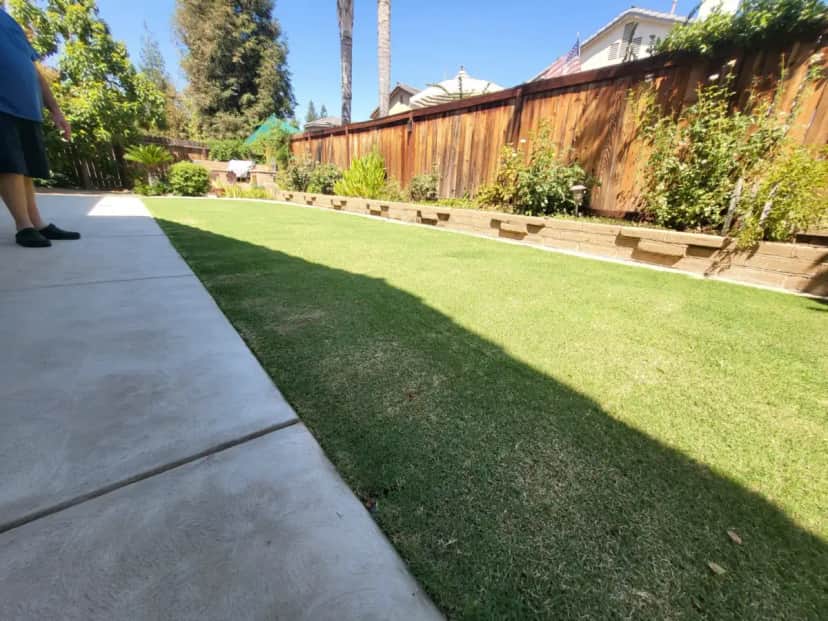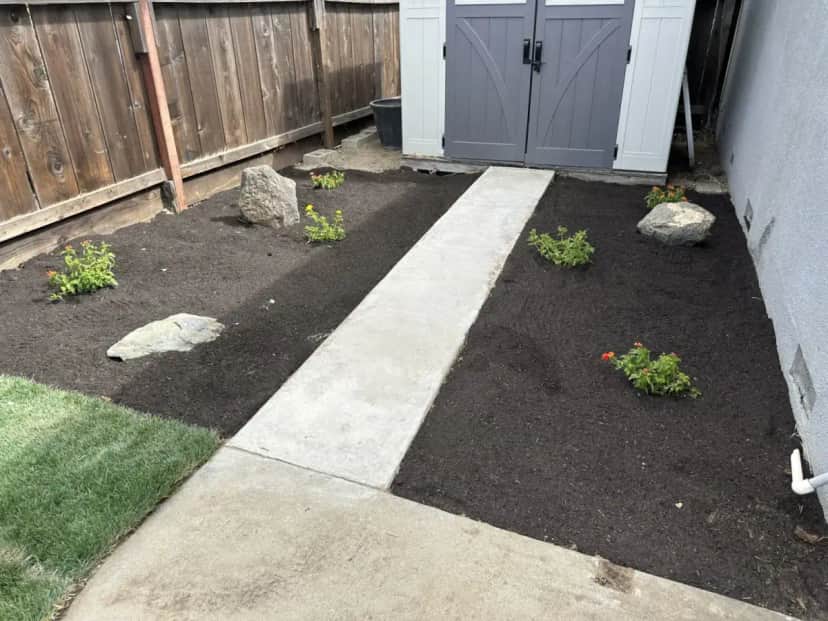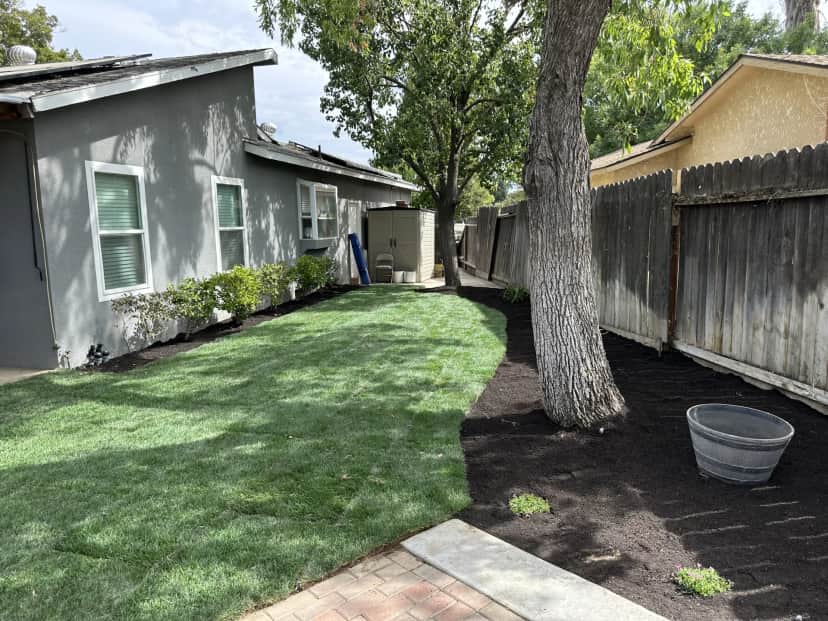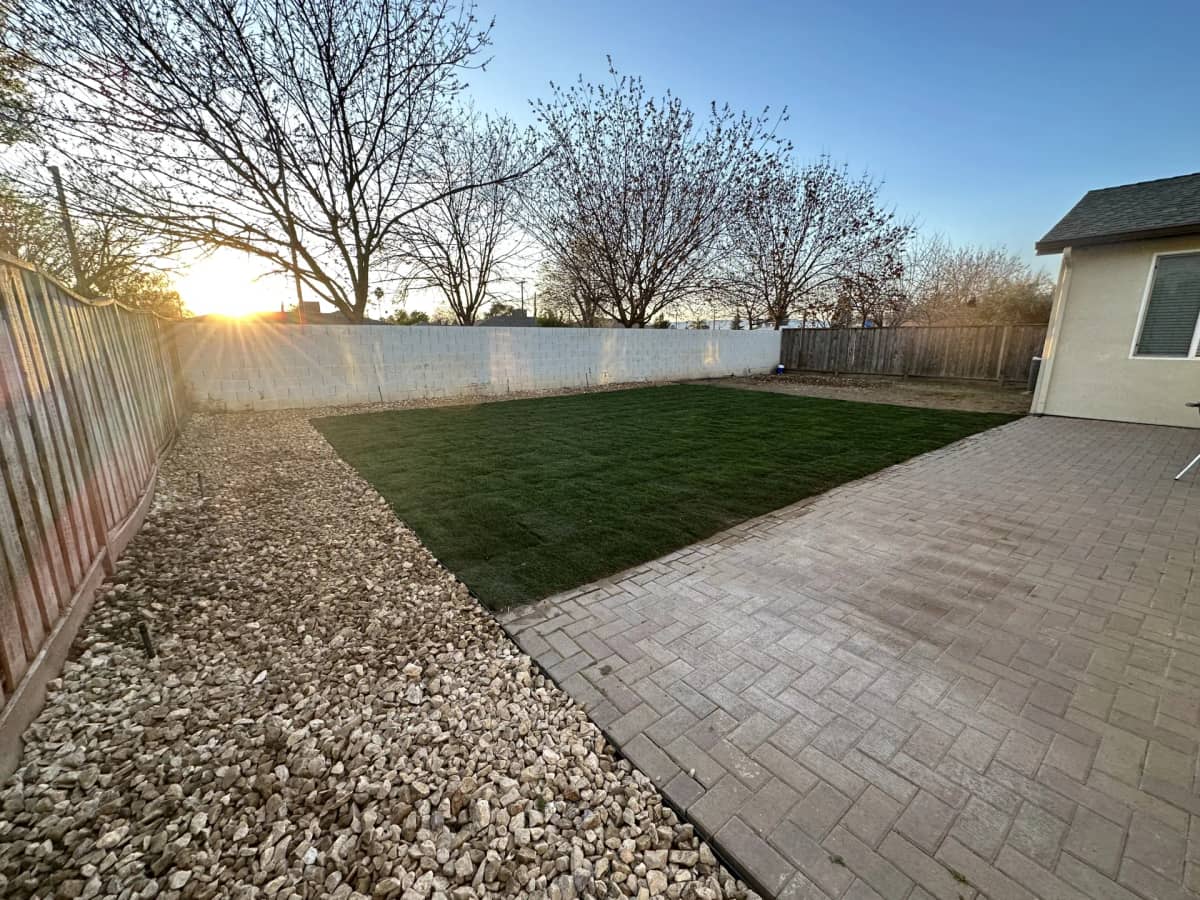
Fall is the most productive season for Central Valley lawns. After surviving another 100°F+ summer, your grass is ready to recover — and the September through December window is when the most impactful maintenance tasks happen. Core aeration, fall fertilization, overseeding, and winter prep all happen in these four months.
Here's the complete fall timeline for Fresno, Kerman, and Clovis homeowners.
Fall Lawn Care Timeline at a Glance
| Month | Key Tasks |
|---|---|
| September | Resume fertilizing, lower mowing height, pest assessment |
| October | Core aeration, winterizer fertilizer, begin overseeding |
| November | Final mow, overseed completion, adjust sprinkler timers, tree trimming |
| December | Leaf cleanup, equipment maintenance, spring planning |
September: Recovery Month
Resume Fertilizing
When: Mid-September, once daytime highs consistently drop below 95°F.
What: Apply ammonium sulfate (21-0-0) at 5 lbs per 1,000 sq ft. This is the same nitrogen source you used in spring, and for the same reason — it works in our alkaline soil and provides a slight pH-lowering effect.
Why: Your lawn hasn't been fertilized since May (you stopped for summer, right?). Bermuda grass entering fall with a nitrogen boost pushes root growth and energy storage before winter dormancy. Fall-fed lawns green up faster in spring.
Pro Tip: If your lawn showed significant iron chlorosis during summer, pair this fertilizer application with a chelated iron (EDDHA) treatment. September is cool enough for the grass to respond well to both.
Lower Mowing Height
When: Early to mid-September.
What: Gradually bring Bermuda back down to 1.5 inches from the raised 2–2.5 inch summer height. Lower in stages over two to three mows — never cut more than one-third of the blade height at once.
Why: Lower mowing in fall reduces thatch buildup, allows sunlight to reach the base of the plant (important for fall recovery), and prepares the lawn for a clean winter dormancy. Bermuda that enters dormancy too tall develops matted thatch that smothers spring green-up.
Post-Summer Assessment
Walk your entire yard and take inventory of summer damage. Note areas where grass is dead (not just dormant), spots where sprinkler coverage was inadequate, and any signs of pest damage. Fall is the time to address these issues while the grass is still actively growing.
October: The Most Important Month
October is when the two highest-impact fall tasks happen: core aeration and overseeding. If you can only do fall lawn care in one month, make it October.
Core Aeration
When: Early to mid-October, while Bermuda is still growing but slowing down.
What: Core aeration uses a machine to pull 2–3 inch plugs of soil from the lawn, leaving small holes across the surface. The plugs break down on the surface over 1–2 weeks.
Why core aeration matters for Central Valley lawns:
- Breaks compaction. Our heavy clay soil compacts easily from foot traffic, mowing, and natural settling. Compacted soil restricts root growth and limits water penetration — a problem that compounds with Fresno's restricted watering schedule.
- Improves water infiltration. Aeration holes allow water to reach the root zone instead of running off the surface. This is critical for clay soil that absorbs water slowly.
- Reduces thatch. The aeration process breaks through the thatch layer and introduces soil organisms that accelerate thatch decomposition.
- Prepares for overseeding. The holes from aeration create ideal seed-to-soil contact for overseeding with ryegrass.
How often: Once per year is sufficient for most Central Valley lawns. Heavy clay soil or high-traffic yards benefit from twice per year (spring and fall).
Pro Tip: Water your lawn deeply the day before aeration. The machine works better in moist (not soggy) soil and pulls cleaner plugs. Don't aerate dry, hard clay — the tines will barely penetrate.
Apply Winterizer Fertilizer
When: Late October, 3–4 weeks after the September fertilizer.
What: Apply a potassium-rich fertilizer (winterizer or "fall formula," typically something like 10-0-20 or similar with high potassium). Apply at the rate recommended on the label.
Why: Potassium strengthens cell walls, improves disease resistance, and helps grass tolerate cold temperatures during winter dormancy. It's not about pushing growth — it's about hardening the plant for the dormant season ahead.
Pro Tip: Don't confuse winterizer with "weed and feed" products. Fall is not the time for weed killer in the Central Valley. Pre-emergent for cool-season weeds (like Poa annua) should be applied separately in September if needed.
Begin Overseeding with Ryegrass
When: Mid-October to early November, when nighttime temperatures consistently drop below 65°F.
What: Spread annual ryegrass seed at 8–10 lbs per 1,000 sq ft over your existing Bermuda lawn. Mow the Bermuda low (1 inch) before overseeding. If you just aerated, the timing is perfect — seed falls into the aeration holes for excellent soil contact.
Why: Bermuda goes dormant in November and stays brown until March or April. Overseeding with ryegrass gives you a green lawn all winter. The ryegrass naturally dies off in late spring as Bermuda takes over.
For a complete step-by-step overseeding guide including seed selection, watering schedules, and transition management, read our overseeding Bermuda with ryegrass guide.
November: Wind Down
Final Mowing Before Dormancy
When: Late November, when Bermuda growth stops.
What: Lower your mower to 1 inch and give the lawn a final close cut. For overseeded lawns, be careful not to damage young ryegrass — mow when ryegrass is at least 2 inches tall.
Why: A clean, short final cut prevents matting and thatch accumulation during the dormant months. Bermuda that enters dormancy at 2+ inches tends to develop a thick, tangled layer that delays spring green-up and can harbor fungal issues.
Adjust Sprinkler Timers for Winter
When: November 1 (Fresno, Kerman, and Clovis all transition to winter watering schedules around this date).
What: Reprogram your sprinkler timer for the winter schedule — typically 1–2 days per week with shorter run times. Check your city's specific schedule in our watering restrictions guide.
Why: Overwatering in winter is almost as common as underwatering in summer. Bermuda in dormancy needs very little water. Even overseeded ryegrass lawns need less than you'd expect — cool temperatures and shorter days dramatically reduce evaporation.
Pro Tip: If you have a smart controller (Rachio, Hunter Hydrawise, B-hyve), set it to seasonal adjust mode and let it automatically reduce run times based on weather data. If you don't have a smart controller, fall is a great time to upgrade — they pay for themselves within a season through water savings.
Fall Tree Trimming
When: November through February is the best window for most tree species in the Central Valley.
What: Trim dead, damaged, or overgrown branches from shade trees, fruit trees, and ornamentals. Remove any branches that hang over your lawn and block sunlight, which your grass will need in spring.
Why: Dormant-season pruning is less stressful for trees, reduces disease transmission (many pathogens are inactive in cold weather), and gives you better visibility of the tree's structure with leaves gone.
Some tree species in Fresno require permits for removal or significant trimming — check with the city before doing major work.
December: Prep and Plan
Leaf Cleanup
When: Throughout December as deciduous trees drop their leaves.
What: Remove fallen leaves from the lawn regularly. Don't let a thick layer sit on the grass for more than a week.
Why: A heavy leaf layer blocks sunlight from reaching overseeded ryegrass and traps moisture against the soil surface, creating conditions for fungal diseases. A light scattering of leaves is fine — mulch them with your mower. But thick piles need to be raked or blown off.
Equipment Maintenance
Drain fuel from gas mowers (or add fuel stabilizer), clean and store equipment, and make a list of items that need repair or replacement before spring. It's much easier to get a mower serviced in December than in the March rush.
Plan Spring Projects
If you're considering any landscaping projects — new sod, sprinkler system overhaul, landscape design, retaining walls, or artificial turf — start getting quotes in December. Contractors' schedules fill up fast in spring, and planning now means your project starts on time.
Should You Overseed Your Lawn?
Overseeding is the biggest fall decision for Central Valley homeowners. Here's a quick breakdown:
Pros:
- Green lawn all winter (October through April)
- Reduced mud and dust from bare Bermuda
- Enhanced curb appeal through the holidays
- Ryegrass provides some weed suppression during winter
Cons:
- Costs $100–$300 for seed and extra water (DIY) or $200–$500 professionally
- Requires additional watering during ryegrass establishment (2–3 weeks of daily watering)
- Spring transition can be tricky — ryegrass must die off for Bermuda to return
- May delay Bermuda green-up slightly in spring
Our recommendation: If curb appeal matters to you and you're willing to manage the spring transition, overseeding is worth it. If you prefer a low-maintenance approach and don't mind brown grass from November through March, skip it and save the cost.
Your Fall Checklist
- September: Fertilize with ammonium sulfate
- September: Lower mowing height to 1.5 inches
- September: Assess summer damage, note dead areas
- October: Core aerate (ideally before overseeding)
- October: Apply winterizer fertilizer
- October–November: Overseed with annual ryegrass (if desired)
- November: Final mow at 1 inch
- November: Adjust sprinkler timers for winter schedule
- November: Schedule tree trimming
- December: Leaf cleanup
- December: Equipment maintenance
- December: Plan and quote spring projects
For a full year-round maintenance breakdown, see our Central Valley Lawn Care Calendar.
Let Us Handle Fall Prep
Fall is when professional care makes the biggest difference. Aeration, overseeding, and fertilization done correctly in October set your lawn up for a strong spring. Done incorrectly — wrong timing, wrong products, wrong rates — and you lose the entire fall window.
Our lawn care maintenance plans include every task on this checklist, timed to Central Valley conditions and adjusted for your specific lawn.
Schedule fall lawn prep or call (559) 809-1230. We serve Kerman, Fresno, Clovis, and surrounding communities throughout the Central Valley.