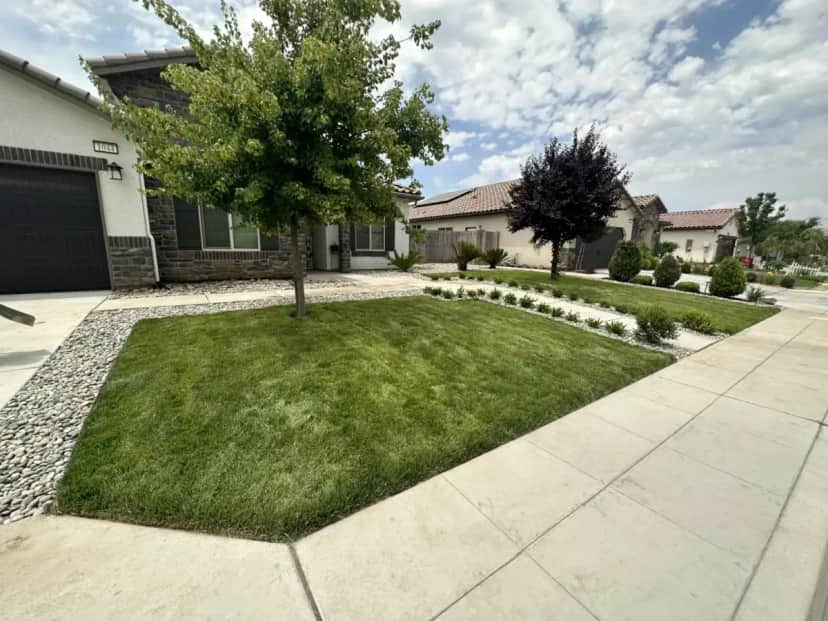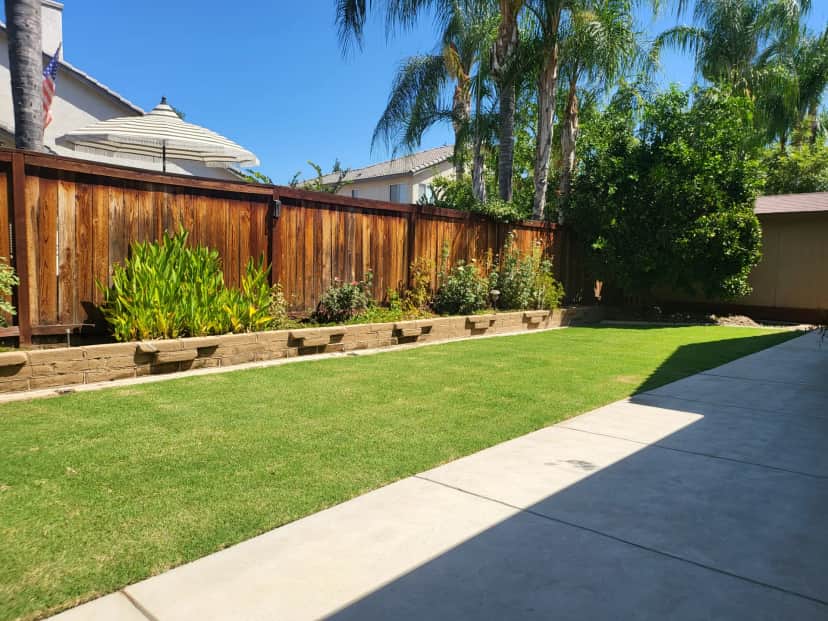
In Fresno, you can trim most trees on your property without a permit, but removing a tree over 12 inches in diameter requires a city permit. Heritage trees (native oaks, buckeyes, sycamores) have additional protections. Here's a clear breakdown of what you can and cannot do with the trees on your Fresno property.
Do I Need a Permit to Trim a Tree in Fresno?
No, for most trimming work. Routine pruning, shaping, and maintenance trimming of trees on your own residential property does not require a city permit. You can trim branches, thin canopy, and remove dead wood without any paperwork.
Yes, if you're removing a tree. A permit is required for removing any tree with a trunk diameter of 12 inches or more, measured at 4 feet above ground level (38+ inches circumference). This applies to both the front yard and backyard of residential properties.
What Are Fresno's Protected Trees?
Fresno's tree ordinance gives extra protection to certain species:
| Tree Category | Definition | Requirements |
|---|---|---|
| Protected trees | Any tree 12"+ trunk diameter | Permit required for removal |
| Heritage trees | Native oaks, California buckeyes, California sycamores | Permit required; replacement may be required |
| Street trees | Trees in the public right-of-way | City manages; contact Landscape Maintenance Division |
Heritage trees are native species that Fresno considers particularly valuable. Removing one requires not just a permit but potentially planting replacement trees. The city takes these seriously — fines apply for unauthorized removal.
What Can I Do Without a Permit?
You're free to perform these activities on your own residential property without any permit:
- Trim branches that are overhanging, dead, or obstructing pathways
- Prune for shape and health (crown thinning, raising lower limbs)
- Remove dead or diseased branches at any time
- Trim fruit trees — fruit trees are explicitly exempt from the tree ordinance
- Use hand tools from the ground — anything reachable with pole pruners, hand saws, or loppers without a ladder or chainsaw is generally fine
- Trim palm trees — palm maintenance (removing dead fronds, seed pods) is considered routine trimming
When Is the Best Time to Trim Trees in the Central Valley?
The ideal trimming window depends on the tree type:
| Tree Type | Best Time to Trim | Why |
|---|---|---|
| Deciduous shade trees | November–February | Dormant; less stress, easier to see structure |
| Citrus trees | February–early March | After frost danger, before spring bloom |
| Palm trees | June–September | Warm weather; avoid trimming before winter |
| Fruit trees | Late winter (Jan–Feb) | Dormant pruning promotes spring fruiting |
| Evergreens | Late spring–early summer | After new growth has hardened off |
| Dead or hazardous branches | Any time | Safety takes priority over timing |
Avoid heavy pruning in summer for most species. Central Valley heat stresses trees, and fresh pruning wounds lose moisture rapidly. The exception is palms, which handle summer trimming well.
Palm Tree Trimming: What You Need to Know
Palms are one of the most common trees in Fresno and Clovis. Key facts:
- Routine frond removal does not require a permit
- Trim only dead or brown fronds — removing green fronds weakens the palm
- "Hurricane cut" (removing most fronds down to a small tuft) harms the tree and should be avoided. A healthy palm should have a full crown of fronds.
- Seed pod removal is recommended to prevent mess and reduce weight
- Cost: $100–$350 per palm depending on height. Tall palms (30+ ft) requiring a bucket truck cost more.
- DIY risk: Palm trimming at height is one of the most dangerous tree-related activities. We strongly recommend hiring a professional for any palm over 15 feet.
Our tree trimming service handles palms, shade trees, fruit trees, and everything in between across the Central Valley.
How Do I Get a Tree Removal Permit?
If you need to remove a protected tree (12"+ diameter), here's the process:
- Contact Fresno's Development and Resource Management Department — (559) 621-8003
- Submit an application with the tree's species, size, location, and reason for removal
- An arborist or inspector may visit your property to assess the tree
- If approved, you'll receive a permit valid for up to one year
- Replacement planting may be required, especially for heritage species
Common approved reasons for removal: dead or dying trees, trees causing structural damage to foundations or utilities, hazardous trees that could fall, trees blocking necessary construction.
Common denied reasons: "I don't like the mess," "I want more sun," or purely aesthetic preferences are typically not sufficient for protected trees.
When Should I Hire a Professional?
Consider hiring a professional tree service for:
- Any tree over 15 feet tall — height adds risk and requires specialized equipment
- Trees near power lines — contact PG&E for trees within 10 feet of power lines; they may trim for free
- Large limb removal — limbs over 4 inches in diameter can cause damage if they fall unexpectedly
- Palm trees — especially tall varieties requiring ladder or bucket truck access
- Stump removal — requires a stump grinder ($150–$400 per stump)
- Permit coordination — we handle the paperwork for tree removal permits
What About Kerman and Clovis?
- Kerman: Contact the City of Kerman Planning Department at (559) 550-0832 for tree ordinance specifics. Kerman's rules are generally less restrictive than Fresno's for residential properties.
- Clovis: Clovis has its own tree preservation ordinance. Protected trees require a permit for removal. Contact Clovis Development Services for details.
HOA communities in both cities may have additional tree rules in their CC&Rs. Check your HOA's architectural guidelines before removing or significantly altering trees.
Professional Tree Trimming Across the Central Valley
We provide tree and palm trimming services throughout Kerman, Fresno, Clovis, and surrounding areas. From routine maintenance to large-scale trimming and removal coordination, we have the equipment and experience to handle it safely.
Book a service or call (559) 809-1230 for a free estimate.